
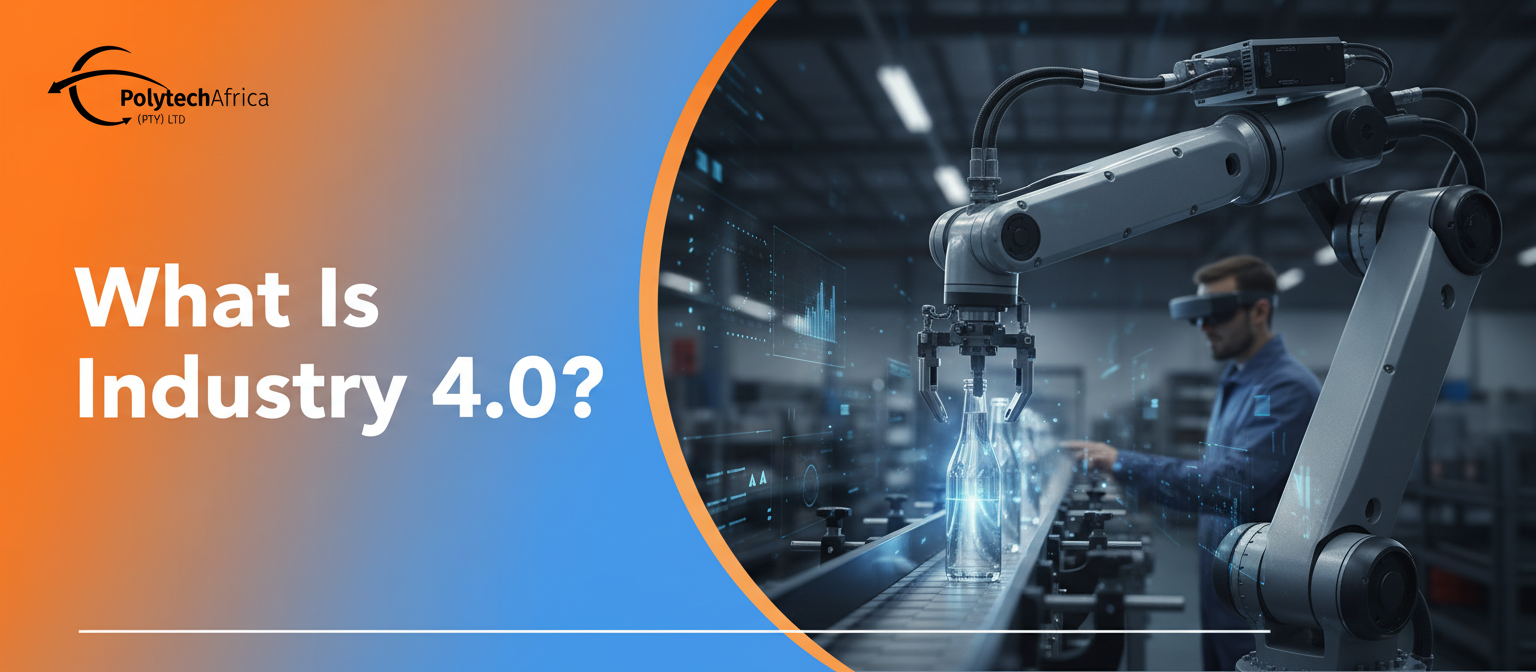
Industry 4.0 and the Critical Role of Mechatronics Technicians
Industry 4.0 is no longer a future concept — it is actively reshaping how South African industries operate today.
Smart factories, connected machinery, and automated production systems rely on one essential resource: skilled mechatronics technicians.
What Industry 4.0 really means for industry
Industry 4.0 refers to the integration of:
-
Automation and robotics
-
Sensors and industrial IoT
-
Data-driven control systems
-
Predictive maintenance technologies
According to the World Economic Forum, more than half of all industrial tasks globally are expected to involve automation or smart systems within this decade.
Technology alone, however, does not deliver productivity gains.
Why mechatronics skills are central to Industry 4.0
Industry 4.0 environments blur the lines between mechanical, electrical, and digital systems. Mechatronics technicians are uniquely positioned to operate across all three.
Their responsibilities typically include:
-
PLC programming and diagnostics
-
Sensor calibration and fault-finding
-
Mechanical and electrical maintenance
-
Ensuring system uptime and safety compliance
Without technicians who understand entire automated systems, Industry 4.0 investments fail to deliver return on investment.
The South African challenge
Many South African manufacturers invest heavily in advanced machinery but face ongoing challenges due to:
-
Skills shortages
-
High reliance on external contractors
-
Extended downtime during faults
Industry commentary from the Manufacturing Circle consistently highlights skills constraints as a key barrier to productivity and competitiveness.
From theory to applied competence
Industry 4.0 requires technicians who are:
-
Comfortable in live production environments
-
Familiar with industrial automation equipment
-
Capable of troubleshooting under pressure
Occupational training models that combine structured learning with practical exposure are proving far more effective than purely academic routes.
Preparing technicians for modern industry
Leading technical institutions focus on:
-
Hands-on workshop training
-
Industry-aligned curricula
-
Employer participation and sponsorship
-
Exposure to real automation systems
This ensures graduates can contribute meaningfully in Industry 4.0 environments from the start of their careers.
Looking ahead
Industry 4.0 is not about replacing people — it is about upskilling the workforce to operate smarter systems.
Mechatronics technicians will remain central to South Africa’s industrial competitiveness well beyond 2026.
Sources & industry references:
World Economic Forum • Manufacturing Circle • Industry 4.0 Skills Reports


